Cars don’t stop because your schedule is tight. Pedestrians don’t reroute themselves because the signs weren’t ordered in time. If the setup isn’t right, the safety and operationality of spaces are visibly impacted. The reality is that traffic management is one of those disciplines where the consequences of cutting corners are immediate and visible. Here’s why bringing in a professional traffic management company (TMC) can help you out on many fronts.
1. Adherence to Latest Road Safety Plans
In Sydney, the 2026 Road Safety Action Plan aims to reduce fatalities by 50% by 2030. This mandate requires a level of compliance involving complex Safe Systems approaches and speed zone authorisations.
With an experienced traffic management company, TfNSW G10 protocols and TCAWS standards can be implemented with real-time risk assessments.
2. Integration with Developing Projects
The development of the Western Sydney International Airport has led to unprecedented heavy vehicle movements lately.
In this case, designing long-term Traffic Staging Plans that evolve with construction phases is important. By using VMS and strategic lane configurations, construction fleets can be separated from local commuters to optimise flow.
3. Seasonal Roadwork Blackouts and Events
Coordinating construction schedules around major events is extremely challenging.
The good news is that with a traffic management consultant, it can be done through advanced scheduling and pre-emptive planning to avoid peak windows. Also, strategic use of portable traffic signals and temporary lane markings allows project continuity.
4. Managing High-Density Localities
Certain environments create friction between vehicle flow, local businesses, and pedestrians.
To address it, deep-learning-based algorithms in specialised software can help optimise limited road space. They ensure access while maintaining essential corridors through high-density urban environments.
5. Risk Transfers With the Contract
When you subcontract to a properly licensed and insured traffic management company, the liability is shifted to experienced professionals. If an incident occurs in the traffic control zone, responsibility lies with the team that includes:
- Public liability insurance
- Formal documentation of responsibility for the zone
- Compliance records that demonstrate due diligence upon investigation
AAA Traffic Control Insights: Some project insurers require a licensed TMC as a condition of coverage. Check your policy before assuming you have flexibility.
6. Handle the Challenging Corridors
Major arteries involve traffic travelling at very high speeds. These environments present the highest risk to all road workers and require equipment that can absorb sudden vehicle impacts. This is where a traffic management plan is most beneficial with:
- On-call supervisors who can authorise variations without stopping works
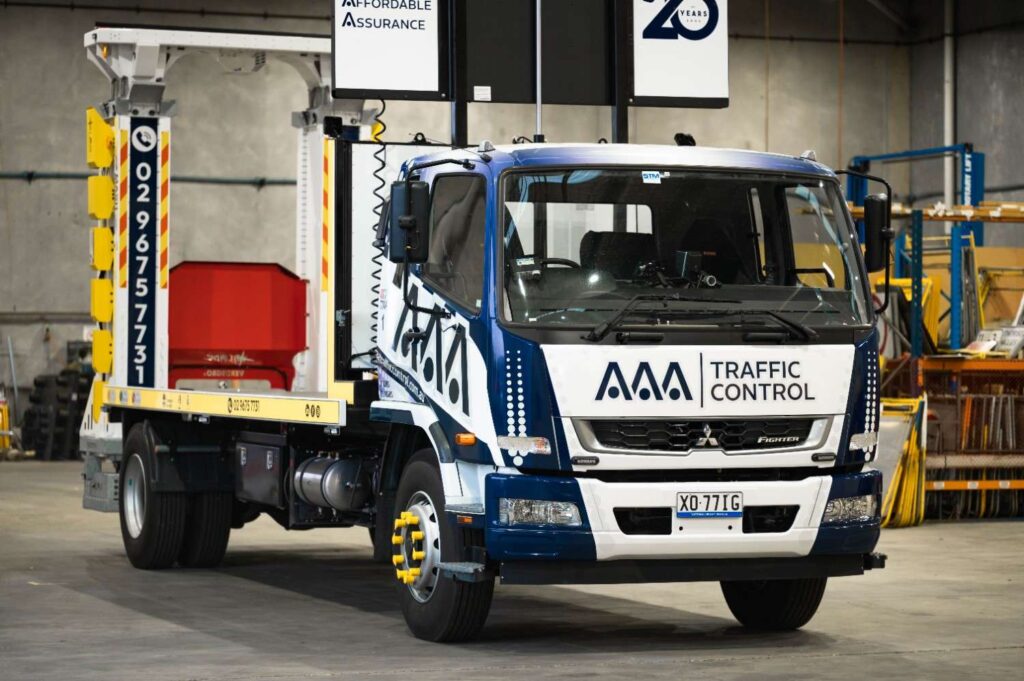
- Truck Mounted Attenuators and Radar Activated Signs protect the work zone.
- High-intensity lighting to ensure maximum visibility.
Unsurprisingly, this flexibility doesn’t exist in a part-time arrangement or with a labourer holding a traffic ticket as a secondary qualification.
7. Rapid Emergency Response
Utility failures or environmental events require immediate and decisive intervention, which is why regulations mandate on-site arrival within very narrow time windows.
While public safety is the priority during these unpredictable and dangerous occurrences, AAA Traffic Control addresses this by:
- Maintaining 24/7 standby crews and a specialised vehicle fleet.
- Being ready for a sub-two-hour response time for all emergencies.
For safety, traffic management company teams provide immediate site assessment and rapid signage deployment.
8. Shielding Your Business from Legal Liabilities
Safety incidents on site can result in catastrophic lawsuits. Without documented traffic plans, the liability falls on the builder. This risk can threaten your company’s long-term survival.
To address it, professional consultants provide all necessary risk audits.
- These documents from traffic management company teams are extremely vital for insurance and workplace safety compliance.
They ensure that all on-site activities meet current Australian standards.
9. The Real Cost Is Often Lower
Perhaps, the most important benefit. It is interesting to know that the gap between DIY traffic management and a professional TMC quote closes fast once you add everything up.
This can include:
- Equipment hire, transport, and setup labour
- Staff time on TMP drafting, council liaison, and admin
- Cost of a resubmission if the plan is rejected
For larger projects, an experienced traffic management company like us helps you realise that efficiencies can be achieved with fewer controllers and shorter closure windows than the initial estimate didn’t account for.
Take Out the Stress, Bring in the Professionals
The challenging aspect is that it can get complicated and time-consuming when handling multiple regulations while delivering on your primary goals. The good news is that with decades of collective experience, AAA Traffic Control can make this a breeze.
With permit management, safety audits, and real-time adjustments, team AAA Traffic Control promises smooth, safe, and steady execution of your site. Let’s discuss more at (02) 9675 7731.
FAQs
Q. Is traffic management legally required for all Sydney roadworks?
Yes. Any activity affecting public roads requires an approved plan.
Q. How long does it take to get a Road Occupancy Licence?
Approval times usually range from ten to fifteen business days. However, AAA Traffic Control finds that complex intersections can often require longer review periods from Transport for NSW.
Q. Can I manage traffic myself with basic signage?
No. Unqualified persons cannot direct traffic on public roads. Doing so invites massive fines and creates significant legal liability.
Q. Do local councils have different requirements than Transport for NSW?
Yes. Each Sydney council has specific permit fees and conditions. We manage these variations to ensure total local compliance.
Q. What are the penalties for non-compliant traffic control?
Fines can reach thousands of dollars per day, and repeat offences can lead to the permanent loss of your work permits.