At AAA Traffic Control, we regularly assist clients across NSW with ROL assessments and applications. Here’s a clear guide to help you determine whether your project needs one, and why using an experienced provider makes a real difference.
What Is a Road Occupancy Licence (ROL)?
A Road Occupancy Licence is formal approval from Transport for NSW that allows works or activities to occupy or impact part of the state road network.
An ROL ensures that:
-
Traffic impacts are properly assessed
-
Safe traffic management is in place
-
Works are coordinated with other road users
-
Network disruptions are minimised
When Is an ROL Required?
You generally need an ROL if your works impact a state classified road, traffic signals, or affect traffic flow on the TfNSW network.
The important 100 metre rule
As a general guide:
✅ ROL usually required when works are:
-
Within 100 metres of traffic lights, or
-
Within 100 metres of a state classified road, or
-
Directly impacting traffic on the state road network
❌ ROL may not be required when works are:
-
More than 100 metres away from traffic lights, AND
-
More than 100 metres from a state road, AND
-
There is no impact to state road traffic
Important: The 100 m rule is a guideline if your works still affect traffic flow, queues, or safety on a state road, TfNSW may still require an ROL.
This is where many one-off applicants get caught out.
Common situations requiring an ROL
You will typically need an ROL when your works involve:
-
Lane closures on state roads
-
Shoulder closures on classified roads
-
Stop/slow traffic control on state roads
-
Road closures or detours affecting state roads
-
Works within 100 m of traffic signals
-
Works within 100 m of state classified roads
-
Use of traffic control devices that affect live traffic lanes
-
Access changes that impact traffic flow
If your Traffic Guidance Scheme (TGS) shows any impact to a state road, an ROL is usually required.
Roads That Typically Require an ROL
ROLs generally apply to works on:
-
Motorways (M roads)
-
State highways (A roads)
-
Main roads managed by TfNSW
-
Other classified state roads
Important: Not all roads are council controlled. Many busy arterial roads are state-controlled even within local council areas.
When an ROL May NOT Be Required
You may not need an ROL when:
-
Works are more than 100 m from traffic lights and state roads, AND
-
Works are entirely on local council roads
-
There is no impact to traffic on the TfNSW network
-
Works are off the carriageway and outside the clear zone
-
Council is the sole approving authority
However, each site must be assessed carefully, assumptions often lead to delays.
How to Check if a Road Is State Controlled
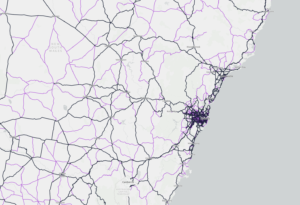
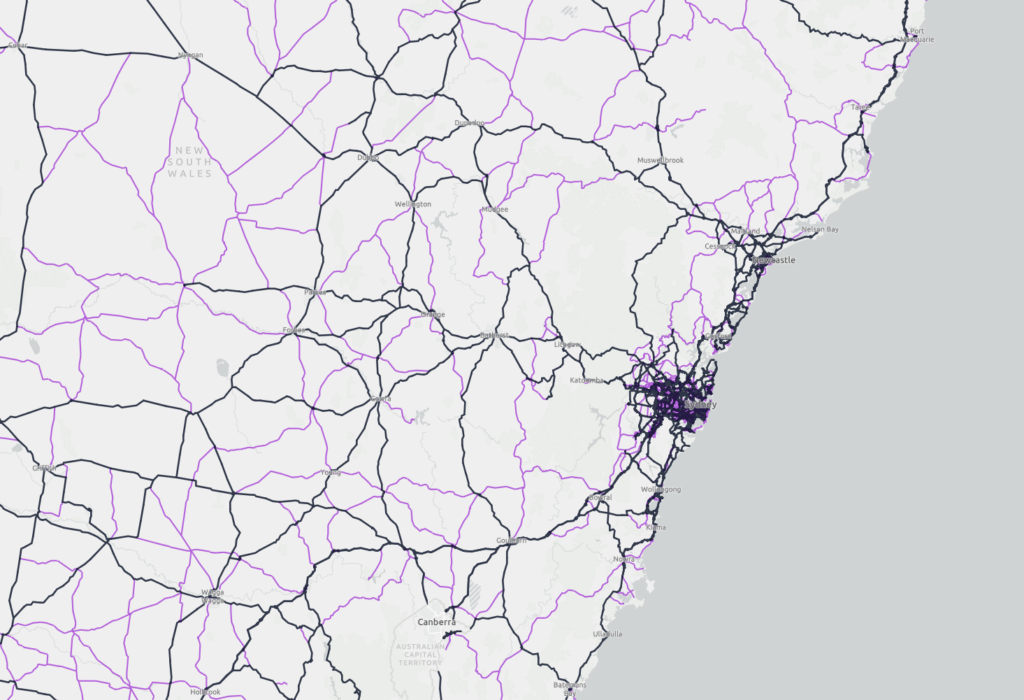
The safest way to confirm is by checking the NSW Road Classification Network Map.
👉 NSW Road Classification Map (Transport for NSW)
https://www.transport.nsw.gov.au/projects/road-classification
This interactive map shows whether a road is:
-
State road
-
Regional road
-
Local council road
If the road is state classified, an ROL is likely required.
Why Using AAA Traffic Control for Your ROL Matters
While it is possible to lodge an ROL yourself, many one-off applicants experience delays, rejections, or extended review times. Partnering with AAA Traffic Control provides a significant advantage.
Established relationship with Transport Management Centre (TMC)
AAA Traffic Control works with the TMC daily and understands:
-
Network sensitivity periods
-
Lane availability constraints
-
TMC expectations
-
Common rejection triggers
This working relationship helps streamline the approval process and reduces back-and-forth queries.
Faster approvals than one-off applications
Because our planners lodge ROLs every day, we know exactly what TfNSW is looking for, helping reduce approval timeframes and avoid costly delays.
We know exactly what must be included
AAA Traffic Control ensures:
-
Correct staging methodology
-
Accurate traffic impact descriptions
-
Proper work zone extents
-
Compliance with current TfNSW requirements
-
Alignment between the TGS and the ROL submission
Getting this right the first time is critical.
Full compliance with TfNSW standards
Our planning team is across all relevant requirements, including:
-
Traffic Control at Work Sites (TCAWS)
-
TfNSW technical directions
-
Network management requirements
-
Worksite safety standards
We hold the required Category G accreditation
To lodge ROLs directly, organisations must hold the appropriate Category G licence and have an active account with Transport for NSW.
AAA Traffic Control already holds this accreditation, meaning:
-
No setup delays
-
No account application required
-
Immediate ability to lodge
For companies applying as a one off, obtaining the correct setup can take valuable time before the ROL can even be submitted.
Need Help With an ROL?
If you’re unsure whether your project requires a Road Occupancy Licence, or you want it approved quickly and correctly speak with our planning team.
📞 (02) 9675 7731
📧 info@aaatc.com.au
🌐 www.aaatrafficcontrol.com.au
AAA Traffic Control — Accredited, Affordable, Assurance.